

 English
  Tiếng Việt
 Vietnam has a diverse vocabulary with many synonyms. Basically, interpretation is translation.So,what is an interpreter? ?

Interpreter
What is an interpreter?
An interpreter or translator is a language professional who can quickly convert messages from one idea into one or more different languages. Mainly focusing on the speaking aspect, interpreters need many factors.
Or another understanding is that interpretation has a sharper meaning than translation, which is that interpretation focuses on speaking.Translation encompasses all issues related to translation, including interpretation and translation. The main characteristic of interpretation is directness. Written translation focuses on translating written material. So, interpretation is the process of converting languages between sentences and ideas that do not share the same characters but have the same meaning.
 How is an interpreter understood?
>>> Buy genuine, high-quality translation machines that translate many languages in the world, please see: translation machine
What does interpreting work involve?
As an interpreter, it is important to hone your skills and knowledge to confidently perform your job. The main tasks of an interpreter include:
Conference interpreting
Also known as booth interpreting, the main job is to interpret at meetings and seminars. The interpreter will be equipped with a microphone and headphones. When interpretation is needed, they listen directly and then speak into the microphone to convey information to the listeners. This job requires the interpreter to have a deep professional level and quick wit. The nature of the work requires a lot of movement, so conference interpreters are also quite hard-working.

Conference
Business negotiation interpreting
As an interpreter, they will interpret in direct conversations, often at contract signing or negotiation sessions. The interpreter's job is to convey the intended meaning of both parties to the other person. This also requires sharpness and dexterity. The success of the negotiation session depends heavily on the interpreter.
Radio interpreting
As a member of the interpretation department for live radio programs. The task is to translate foreign programs for domestic listeners. This job is quite strenuous because the audience is very large and is the masses. This requires very little room for error.
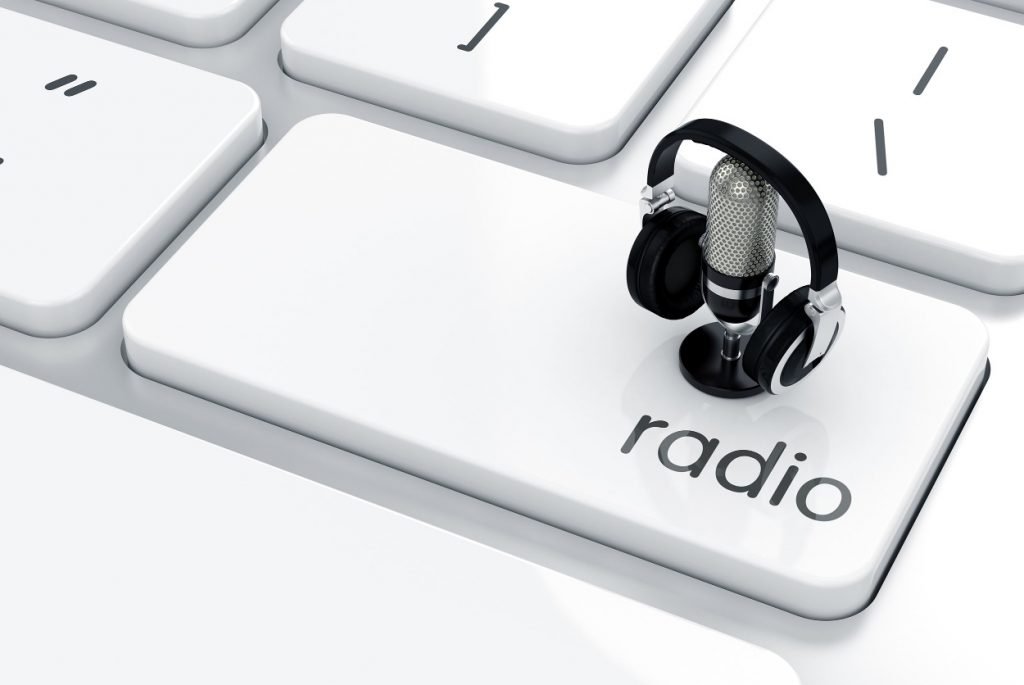
Radio translation
>>> It is impossible not to connect to the internet for the interpreter machine even if you are abroad, so check out: international SIM card
Necessary skills for interpreters
Communication skills
Communication is an important skill in life. To have a perfect conversation, people need to practice basic communication skills such as confidence, proactivity, and quick thinking. Every communication brings a result and is characterized by the exchange of information back and forth. An interpreter must be proactive in all circumstances to bring benefits to both sides. They must know how to create a communication style with a highlight. As the bridge for communication, the interpreter themselves must also be good at communicating. Only then can they confidently become a professional interpreter.
Information processing skills
Information processing is almost the most important skill of an interpreter. This requires interpreters to have a continuous and accurate stream of thought. The more difficult part of interpretation is live translation. The main issue for interpreters is time. The requirement is for time to be faster than translating long texts, contracts, or books. There is not much time to process, so interpreters require certain translation experience and the ability to process language quickly. The interpreter's approach to information must also be quick and general in order to receive and process it and produce the most accurate wording.

Communication skills
- Psychological understanding skills
There are many cases where the interpreter's main job is to translate during negotiations and signings. For negotiations to be successful, the interpreter must skillfully grasp the situation and psychology. They must use words that are both accurate and easy to understand to suit the situation in the conversation. In seminars and conferences, interpreters also need to understand the psychology of each speaker to achieve a quality translation.
Positive attitude
Attitude is important in communication. It can be said that this is a small part of communication skills. However, it is an important part because the interpreter's attitude also greatly affects the voice, atmosphere, and mood of both parties. A good attitude, suitable for each interpretation situation. With the right attitudes, interpreters will have many career opportunities. The important thing is to do everything as requested by the party requiring interpretation.
Conclusion
In summary, interpretation is translation in spoken form. Interpreters are people who translate in face-to-face meetings that require live interpretation. To become a professional interpreter, one must possess all the necessary skills and appropriate experience.