

 English
  Tiếng Việt
 The psychology of tourists is always the first concern for tour guides in their work. Each age group and ethnicity has its own customs and psychology. This is even more difficult with foreign tourists. Do you want to learn about the psychology of Japanese tourists. All will be answered by us right after.
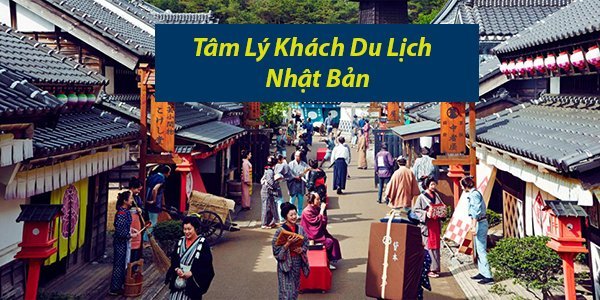 What is the psychology of Japanese tourists?
>>> Do you want to make calls and use 4G network comfortably in Japan: Japan travel sim
Psychology of Japanese tourists
Understanding tourist psychology is quite important. It can determine whether a tour is successful or not. What are the characteristics of Japanese people? Let's find out right after:
About Food
- During meals, Japanese people have high demands for both aesthetics and quality. Japanese people particularly value the way a meal is decorated. Food must be arranged very carefully and requires harmony between appearance and color.
When serving Japanese tour groups, fast service is a basic requirement. Japanese people do not like to spend hours ordering and eating. However, Japanese people are also very discreet and do not show impatience with slow service. However, when they return home, they will report everything to the travel agency that took them there. And it will be difficult for them to return and join your tours.
To serve Japanese guests attentively and to satisfy them, restaurants should learn about their preferences for dishes, eating habits, and customs. It doesn't need to be too luxurious, just let them enjoy what they like.
For business guests, restaurants should arrange tables in the easiest-to-find locations. In banquets, guests need to show their prestige and honor, as well as their personal influence as hosts - hotels and restaurants serving Japanese business guests or celebrities must pay close attention to this.
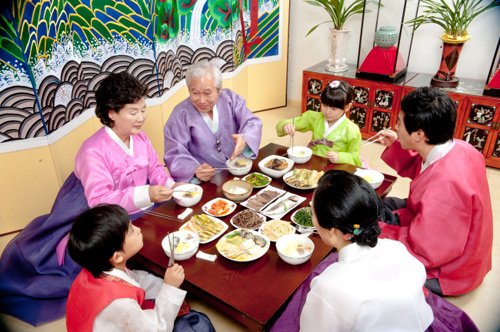
Japanese people always emphasize aesthetics in meals
About communication customs
Within each group of Japanese tourists visiting a restaurant, there is often respect for social position, especially if there is a respected guest in the group, the guest's seating position is very important. Restaurant staff need to know this even if they are not arranging seats by position. All members of the group understand their social position to find their own seats. Hotels should let them choose. Showing politeness and social etiquette, the person considered "respected" refuses "Kamiza" (the most honorable seat) a few times before sitting in the host's position. Do not interfere with this guest etiquette.
Tipping is not a habit of Japanese tourists. In cafes and restaurants, do not expect tips from customers. Only in extremely luxurious hotels or restaurants do they do this, usually they pay it in the bill and it is never more than 10% of the cost. Therefore, in many cases in North America, servers expect tips from customers.
Communication between servers and Japanese customers is very important, a friendly smile and attentive care can overcome many language barriers.
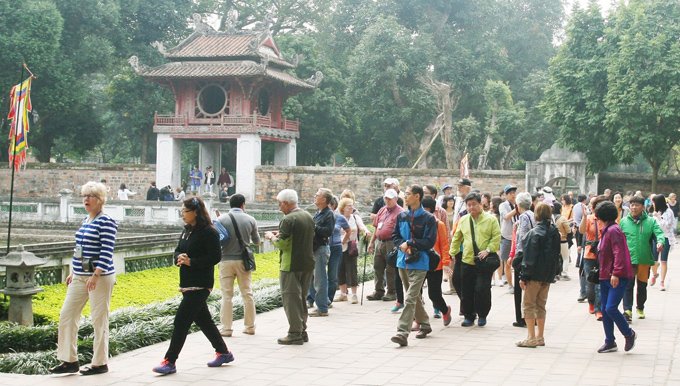
Japanese communication etiquette
Có thể bạn quan tâm
>>> You want to use high-speed internet for a group of people in Japan: rent wifi to Japan
Psychology of Japanese tourists when coming to Vietnam
The reason Japanese people like to travel with their families is that besides having fun moments together after stressful working days, it is also a cost-saving form of travel. Specifically, they only need to rent fewer rooms and can shop more reasonably. In addition, they can also look after each other during the trip.
Ms. Muraida - an employee of the JICA Japan Organization in Vietnam - said that she invites her parents and younger sister to Vietnam every holiday. This way, she can guide her family and ensure they are always at ease and comfortable while traveling in Vietnam. Mr. Onuma, who works at Thang Long Industrial Park, said that his wife, after coming to Vietnam, found many attractive tourist destinations and delicious food, so she brought the whole family over during the recent Tet holiday. Mr. Onuma feels proud to have introduced his relatives to scenic spots like Ha Long Bay, Tam Coc-Bich Dong, and the unique culinary flavors of this place.
Most Japanese tourists who have visited Vietnam want to return to explore this still mysterious land. And on their return trips, most of them will bring their relatives along, as this is the only way they feel they can fully share the happiness of traveling in Vietnam.
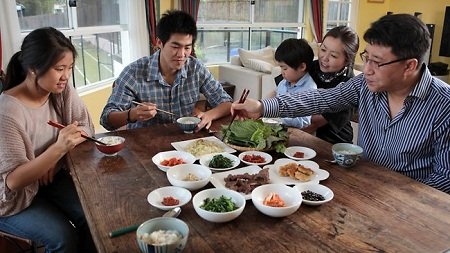
Japanese people always value family tradition
We hope the information we have provided above has given you an overall view of the eight reasons why Japanese tourists visit Vietnam. We wish you a pleasant journey to Japan.