

 English
  Tiếng Việt
 - 1. Part 1:GENERAL REGULATIONS ON CIVIL SERVANTS AND PUBLIC EMPLOYEES TRAVELING ABROAD
- 1.1. Article 3. Explanation of terms regarding civil servants going abroad
- 1.2. Article 4. Prohibited acts
- 1.3. Article 5. Individuals not approved for travel abroad
- 1.4. Article 6. Principles for approving overseas travel
- 1.5. Article 7. Standards for approving official overseas travel
- 2. Chapter II. DIVISION OF LABOR, DECENTRALIZATION OF MANAGEMENT, AND APPROVAL FOR GOING ABROAD
- 2.1. Article 8. Authority to approve and delegate decisions to send or permit officials, public servants, and civil servants to go abroad
- 2.2. Article 9. Assignment of responsibility for appraising dossiers, approving, and deciding to send and permit officials, civil servants, and public employees to go abroad
- 2.3. Article 10. Responsibilities of agencies assigned to appraise, approve, and decide to send and permit officials, civil servants, and public employees to go abroad
- 2.4. Article 11. Responsibilities and obligations of civil servants, public employees, and officials approved to go abroad
- 2.5. Article 12. Management and use of official and diplomatic passports
- 2.6. Article 13. Dossier for application to go abroad on official business and for approval to go abroad on private matters for officials and civil servants
- 2.7. Article 14. Deadline for submitting dossiers for overseas travel for official and private purposes by officials, public employees, and civil servants
- 2.8. Article 15. Extension of overseas stay for officials and public employees
- 2.9. Article 16. Handling of applications for leave to stay abroad after a business trip
- 2.10. 3. All expenses incurred beyond the approved budget for the business trip must be self-funded, and relevant agencies must be informed to adjust necessary procedures related to the trip's funding.
- 2.11. Article 17. Reporting and planning regime applicable after business trips
- 3. Chapter III. IMPLEMENTATION FOR OFFICIALS AND CIVIL SERVANTS GOING ABROAD
The need for travel is an essential need for every human being. For citizens working in non-state enterprises, traveling is quite easy. But for civil servants, public employees, and officials who want to travel abroad, they must comply with the specific regulations of the State. In this article, we will outline theregulations for public employees traveling abroad. These regulations only apply to civil servants and public employees working in state agencies and enterprises, not to their families.

Illustration
>>>Want to make free calls and use 4G comfortably when traveling abroad :international SIM card
The state's legal code stipulates the following regarding public employees traveling abroad:
Part 1:GENERAL REGULATIONS ON CIVIL SERVANTS AND PUBLIC EMPLOYEES TRAVELING ABROAD
Article 1: Scope of application
This regulation defines the authority for management, approval, appointment, and permission to travel abroad, and extension of stay abroad for: officials, civil servants, public employees, staff, laborers, and non-professional cadres at commune - ward - town level; enterprise managers; representatives of state capital; Chairman, Vice Chairman of associations with special characteristics under the City People's Committee (hereinafter referred to as officials, civil servants, public employees).
Article 2. Applicable subjects
Officials, civil servants as defined in the Law on Officials and Civil Servants; public employees as defined in the Law on Public Employees; enterprise managers; representatives of state capital, etc., managed by the City People's Committee according to the decentralization of management of officials, civil servants, and public employees (excluding Party, Fatherland Front, and socio-political organizations according to Decision No. 1023-QD/TU dated April 20, 2012, of the City Party Committee on managing and approving officials, civil servants, and public employees traveling abroad), specifically:
1. Officials, civil servants, and public employees working in specialized agencies, agencies, and units under the City People's Committee, District - Town People's Committee, Commune - Ward - Town People's Committee.
2. Persons recruited as civil servants or public employees undergoing probation in specialized agencies, agencies, and units under the City People's Committee, District - Town People's Committee, Commune - Ward - Town People's Committee.
3. Contract employees under Decree No. 68/2000/ND-CP dated November 17, 2000, of the Government in agencies and units under the city, employees and persons working under labor contracts for a term of 01 year or more, and non-professional cadres at commune - ward - town level.
4. Enterprise managers working in State-owned General Corporations and Single-member Limited Liability Companies with 100% state capital owned by the City People's Committee, including: Chairman of the Board of Members, Member of the Board of Members, Head of the Control Board, Controller, General Director, Deputy General Director, Director, Deputy Director, and Chief Accountant.
5. Representatives of state capital who are elected or appointed to management positions in enterprises where the state holds over 50% of charter capital owned by the City People's Committee as an investor in economic groups, general corporations, state-owned companies after equitization; two-member or more limited liability companies, including: Chairman of the Board of Directors, Chairman of the Board of Members, Member of the Board of Directors, General Director, Deputy General Director, Director, Deputy Director, and other subjects as assigned and directed by the Standing Committee of the City Party Committee.
6. Officials, civil servants, public employees sent to work in non-governmental organizations, political-social organizations, socio-political-professional organizations, social organizations, social-professional organizations at all levels in the city.
7. Chairpersons and Vice-Chairpersons of specialized associations operating within Ho Chi Minh City as determined by the City People's Committee.
Article 3. Explanation of terms regarding civil servants going abroad
1. “Going abroad on official business”: means being sent abroad by competent authorities for officials, civil servants, and public employees to perform professional duties and functions of their agencies or units; state political tasks; serving the development interests of agencies, units, and the country, including: training, professional development, attending short-term and long-term courses, workshops, technology transfer activities, visits, surveys, professional internships, research, experience learning, conferences, seminars, etc.
2. “Going abroad for personal reasons”: means being permitted by competent authorities for officials, civil servants, and public employees to go abroad for personal purposes unrelated to their official duties, profession, position, or title held in state agencies or organizations, such as: tourism, visiting family, visiting relatives, medical treatment, etc.
3. “Going abroad as part of a delegation”: means being sent or permitted by competent authorities for officials, civil servants, and public employees to go abroad as part of a delegation of 02 or more people, traveling at the same time and for the same official purpose.
Article 4. Prohibited acts
1. Going abroad without permission from the managing agency or competent authority; going abroad before receiving approval from the managing agency or competent authority.
2. Remaining abroad beyond the permitted time without permission from the managing agency or competent authority.
3. Carrying weapons, technical equipment, professional tools, money, or assets managed by the agency or unit when going abroad.
4. Carrying classified Party, State, or agency/unit documents abroad without permission from the competent authority.
5. Using state budget for personal trips abroad.
6. Using diplomatic or official passports for business purposes or personal trips abroad.
7. Going abroad for personal reasons with expenses covered by domestic or foreign agencies, organizations, or businesses (unless there is a specific invitation letter or the trip is won through a promotion or reward program from domestic or foreign agencies, organizations, or businesses).
8. Being untruthful in declaring the purpose of going abroad.
9. Going to a country different from the destination approved by the competent authority.
Article 5. Individuals not approved for travel abroad
Officials, civil servants, and public employees not approved for travel abroad include those in one of the following cases:
1. Units undergoing inspection or investigation where the officials, civil servants, or public employees in question are directly involved in the subject of the inspection or investigation at their working agency or unit.
2. Currently undergoing disciplinary review; currently suspended or temporarily suspended from work.
3. Being prosecuted or involved in criminal investigations.
4. Having an obligation to comply with a criminal sentence.
5. Having an obligation to comply with civil or economic judgments; awaiting resolution of civil or economic disputes.
6. Having an obligation to comply with administrative violation decisions, tax obligations, and other financial obligations, unless bail, collateral, or other security measures have been provided to fulfill such obligations.
7. For reasons of preventing the spread of dangerous epidemics.
8. For reasons of national security and social order and safety.
9. Having committed administrative violations related to immigration as stipulated by the Government.
10. Failing to meet other standards and conditions as prescribed by relevant laws regarding the purpose of going abroad.
Article 6. Principles for approving overseas travel
1. Overseas travel for official purposes will not be approved for officials, public servants, and civil servants who are undergoing disciplinary action from reprimand or higher.
2. Officials, public servants, and civil servants may be assigned to travel abroad for official purposes no more than 02 times per year. In special cases (more than 02 times per year and absolutely necessary for the professional work of the agency or unit), the approval of the Chairman of the City People's Committee is required. Two key leaders of the same agency, unit, or locality shall not be assigned to travel abroad together. Cases of assigning officials, public servants, and civil servants to travel abroad for official purposes for 03 months or more must be reported to the Department of Home Affairs for submission to the City People's Committee for consideration and decision.
3. In case of leave for personal overseas travel: officials, public servants, and civil servants may take leave for personal overseas travel in accordance with labor laws and not exceeding the number of leave days allowed per year. In cases where unpaid leave is truly necessary, the authority competent to approve personal overseas leave shall consider and decide.
4. Leaders appointed by the City Party Committee and the City People's Committee may travel abroad for no more than 10 working days per trip (excluding cases of training, professional development, and internships). Special cases must be reported to the Chairman of the City People's Committee for consideration and decision.
5. Overseas study tours, surveys, and experience learning trips must have clear purposes, contents, and plans, avoiding duplication with previous delegations, and must be part of the annual plan, foreign affairs program, or policies approved by the competent authority. The delegation composition should be concise, including only those essential for the work, with reasonable travel duration and cost-saving measures as prescribed. Upon completion of the trip, a report on the results must be submitted to the competent authority, as stipulated in Point c, Clause 1, Article 11 of these Regulations.
6. The selection and approval of officials, public servants, and civil servants for overseas travel must ensure national security and secrecy, as well as the secrecy of their working agencies. Overseas travel must not have a negative impact on the performance of official duties of the agency, unit, and officials, public servants, and civil servants.
7. Agencies and authorities competent to assign or permit officials, public servants, and civil servants to travel abroad must do so in accordance with the management hierarchy, authorized approval levels for overseas travel of officials, public servants, and civil servants as prescribed by law and these Regulations.
8. Invitations, requests for permission, and approvals for overseas travel must be in writing. Organizations and individuals involved in the trip are obligated to provide full and accurate documents and information necessary for the competent authority to consider and decide. Application dossiers shall be archived at the decision-making agency.
9. Countries and territories to which officials, public servants, and civil servants are sent for professional and vocational training must have advanced achievements in administration, economics, technology, and science-technology; possess management experience in the fields to be studied and researched, and be applicable in Vietnam; training and learning institutions in the countries and territories to which they are sent must have conditions for study and research, and teaching methods that meet the objectives, content, and curriculum of the training and learning courses.
10. For officials, public servants, and civil servants who are Party members, they must comply with the principles for approving overseas travel as stipulated in these Regulations and relevant directives from the Politburo, the Secretariat, the Standing Committee of the City Party Committee, and the Standing Executive Committee of the City Party Committee concerning the protection of internal politics, thrift, and the prevention of waste, etc.
Article 7. Standards for approving official overseas travel
People sent or permitted to go abroad for official business must meet the following standards:
1. Political reliability, no signs of political complications, and good character and morals.
2. Possess qualifications and capacity to meet the requirements of the trip abroad; the purpose of going abroad for research, conferences, or seminars must be consistent with the assigned responsibilities.
3. Have a sense of responsibility, organizational discipline, and strictly adhere to the Party's guidelines and policies and the State's laws.
4. Cases of going abroad to attend professional or vocational training courses funded by the state budget must, in addition to the above standards, meet the current conditions for training and professional development of public officials and civil servants.
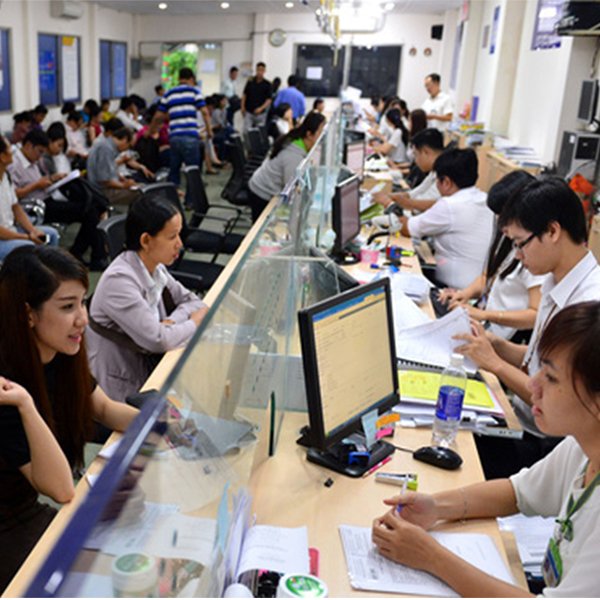
>>>You want to use high-speed internet for your group abroad:International Wi-Fi hotspot
Chapter II. DIVISION OF LABOR, DECENTRALIZATION OF MANAGEMENT, AND APPROVAL FOR GOING ABROAD
Article 8. Authority to approve and delegate decisions to send or permit officials, public servants, and civil servants to go abroad
1. The Chairman of the City People's Committee decides to send or permit officials, public servants, and civil servants under their management authority to go abroad.
2. The Chairman of the City People's Committee decides to send or permit officials, public servants, and civil servants to go abroad for official business, personal matters, and to extend their stay abroad for the following individuals:
a) Officials, public servants, and civil servants going abroad for official business as part of a delegation comprising members from 02 or more units.
b) Directors and Deputy Directors of Departments; heads and deputy heads of departments equivalent to departments, and public service units directly under the City People's Committee.
c) Chairmen and Vice-Chairmen of District-Level People's Committees.
d) Chairmen of the Board of Members, Members of the Board of Members, Heads of the Control Board, Controllers, General Directors, Deputy General Directors, Directors, Deputy Directors, and Chief Accountants of 100% state-owned single-member limited liability companies and corporations owned by the City People's Committee.
e) Representatives of state capital who are elected or appointed to positions such as: Chairman of the Board of Directors; Chairman of the Board of Members; Member of the Board of Directors; General Director; Deputy General Director; Director; Deputy Director at enterprises where the state holds over 50% of charter capital, owned by the City People's Committee as an investor in economic groups, corporations, state-owned companies after equitization, and two-member or more limited liability companies.
f) Chairmen and Vice-Chairmen of associations with special characteristics operating within Ho Chi Minh City, as determined by the City People's Committee.
g) Officials, public servants, and civil servants going abroad for personal matters but who have received a personal invitation or have won a promotional or reward program from domestic or foreign organizations and businesses.
h) Objects falling within the scope of authorization in Clause 3 of this Article go abroad for 03 months or more.
3. The Chairman of the City People's Committee authorizes:
a) The Vice Chairman of the City People's Committee, according to the assigned field of responsibility, to decide to send, and permit officials, civil servants, and public employees to go abroad for official duties and for private reasons for subjects specified in Clauses 1 and 2 of this Article when the Chairman of the City People's Committee is away on a business trip or when assigned in writing by the Chairman of the City People's Committee.
In cases where both the Chairman of the City People's Committee and the Vice Chairman of the City People's Committee, according to the assigned field of responsibility, are away on business trips, the Standing Vice Chairman of the City People's Committee shall sign the decision to send and permit officials, civil servants, and public employees to go abroad for official duties and for private reasons for subjects specified in Clauses 1 and 2 of this Article. When the Chairman of the City People's Committee, the Standing Vice Chairman of the City People's Committee, and the Vice Chairman of the City People's Committee, according to the assigned field of responsibility, are all away on business trips, the Vice Chairman of the City People's Committee assigned to manage the City People's Committee shall sign the decision to send and permit officials, civil servants, and public employees to go abroad for official duties and for private reasons for subjects specified in Clauses 1 and 2 of this Article.
b) Heads of Departments and Branches of the City, Chairmen of District-Level People's Committees, General Directors, and Directors of State-Owned Single-Member Limited Liability Companies under the City People's Committee to permit officials, civil servants, public employees, staff, and contract employees with contracts of 01 year or more under their management (excluding subjects specified in Clause 2 of this Article) to go abroad for periods from 01 day to less than 03 months for official duties and private reasons.
c) The duration of the authorization by the Chairman of the City People's Committee in Clause 3 of this Article is from the effective date of the Decision until the end of July 2021.
4. Competent agencies and units deciding to send and permit officials, civil servants, and public employees to go abroad shall comply with the forms issued together with these Regulations.
Article 9. Assignment of responsibility for appraising dossiers, approving, and deciding to send and permit officials, civil servants, and public employees to go abroad
1. The Office of the City People's Committee shall appraise dossiers and submit them to the Chairman of the City People's Committee for decisions on sending officials, civil servants, and public employees abroad for official duties for periods from 01 day to less than 03 months and for private reasons for subjects specified in Points a, b, c, d, đ, e of Clause 2, Article 8 of these Regulations, and for subjects authorized in Point b, Clause 3, Article 8 of these Regulations to go abroad for private reasons for 03 months or more.
2. The Department of Home Affairs shall appraise dossiers and submit them to the Chairman of the City People's Committee for decisions on sending officials, civil servants, and public employees abroad for official duties for periods of 03 months or more, and for cases specified in Point g, Clause 2, Article 8 of these Regulations.
3. The Department of Foreign Affairs:
a) To review and issue official passports and diplomatic passports for officials, civil servants, and public employees upon decision by the competent authority in accordance with current laws.
b) To directly discuss with the head of the managing agency and the competent authority issuing the decision to go abroad when agencies provide full information as requested, and to report to the City People's Committee immediately upon noticing any foreign trips with political complexities.
4. The City Police are responsible for:
a) Verifying and assessing security aspects for cases of going abroad for private reasons as specified in Point g, Clause 2, Article 8 of these Regulations and other cases at the request of relevant agencies and units. The verification and assessment period shall not exceed 07 working days from the date of receiving complete and valid dossiers.
b) Directly discussing with relevant agencies, units directly managing officials, civil servants, and public employees, and reporting to the City People's Committee before the individual departs abroad if there are political issues or signs of legal violations.
5. The Department of Finance:
a) To appraise the estimated budget for trips abroad as directed by the City People's Committee.
b) To advise the City People's Committee on solutions for saving the city budget when appraising the budget for official trips abroad.
Article 10. Responsibilities of agencies assigned to appraise, approve, and decide to send and permit officials, civil servants, and public employees to go abroad
1. Heads of city Departments - branches, Chairpersons of District - City People's Committees, General Directors, Directors of State-owned Corporations and Limited Liability Companies under the City People's Committee are authorized to decide to allow civil servants, public employees, and officials under their management to go abroad for official business and private affairs in accordance with current laws on the management of civil servants, public employees, and officials; shall be responsible to their superiors for the exit and entry of cases of civil servants, public employees, and officials whose applications they review and approve; shall regularly coordinate with the Party committee, Inspection Committee, and People's Inspectorate at the same level to inspect and supervise the compliance with regulations on exit and entry by civil servants, public employees, officials, and Party members. Annually, the leadership of agencies and units shall inspect the passports of civil servants, public employees, officials, and Party members to prevent unauthorized exits and entries; when detecting violations, they must report to their superiors for guidance and xử lý.
2. Based on these Regulations, review, supplement, and issue regulations and rules for the management and approval of civil servants, public employees, and Party members going abroad for their agencies and units.
3. Regularly update the city's Electronic Records Management software system with information on personnel from your unit going abroad; periodically synthesize and report to the City People's Committee (through the Department of Home Affairs) as prescribed.
4. Practice economy when traveling abroad using state budget funds.
5. The Chief of the Office of the City People's Committee is responsible for authenticating the agency seal and signatures of the Heads of city Departments - branches, Chairpersons of District - City People's Committees, General Directors, and Directors of State-owned Corporations and Limited Liability Companies under the City People's Committee authorized to decide to allow civil servants, public employees, and officials to go abroad within the authority of this Decision to the Ministry of Foreign Affairs, the Ministry of Public Security, the Department of Foreign Affairs, and the City Police.
Article 11. Responsibilities and obligations of civil servants, public employees, and officials approved to go abroad
1. Responsibilities of civil servants, public employees, and officials approved to go abroad:
a) After being issued a decision by the competent authority to go abroad; civil servants, public employees, and officials who are Party members are responsible for reporting and sending a copy of the decision to the Party cell where they are active.
b) During their stay abroad, civil servants, public employees, officials, and Party members are responsible for performing their assigned tasks in work, study, and research effectively, and fulfilling their obligations as Vietnamese citizens abroad, and complying with the laws of the host country.
c) Upon returning to Vietnam, within 7 working days: civil servants, public employees, and officials traveling in a group shall submit a report to the Head of the delegation; civil servants, public employees, and officials (if traveling individually) shall submit a report on the results of their trip to the competent authority that issued the decision, their direct managing agency, and the Party cell where they are active (if they are Party members). The content and deadline for submitting the report shall be the basis for the Party committee, agency, and unit leadership to consider and decide on allowing civil servants, public employees, and Party members to go abroad in the future.
2. Obligations of civil servants, public employees, and officials approved to go abroad:
a) Comply with Vietnamese law and the law of the country (territory) when going abroad.
b) Maintain the national image and national identity while abroad.
c) Immediately report to the head of the managing agency or competent authority if the trip abroad is not carried out, or if staying abroad beyond the prescribed time.
d) Relatives are not allowed to accompany them on official trips, unless there are special reasons or work requirements, in which case the competent authority must be informed and approve.
e) Within 05 working days from the date of entry into Vietnam after the trip, submit a copy of the passport with entry and exit information to the issuing authority and the managing agency for management and monitoring.
f) Holders of diplomatic and official passports are obliged to use their passports in accordance with current regulations related to diplomatic and official passports.
Article 12. Management and use of official and diplomatic passports
1. The managing agency must ensure that individuals granted diplomatic and official passports use only one valid passport for each business trip abroad, in accordance with the decision to go on a business trip and the nature of the work to be performed abroad, except in special cases as guided by the Ministry of Foreign Affairs. Diplomatic and official passports must not be used for business, tourism, or other non-official purposes. In case of loss of a diplomatic or official passport for any reason, the agency managing civil servants, public employees, and officials, and the individual granted the passport must immediately notify the Department of Foreign Affairs in writing. Diplomatic and official passports are managed by the agency directly managing civil servants, public employees, and officials; ordinary passports are kept and preserved by civil servants, public employees, and officials.
In case civil servants, public employees, and officials are no longer eligible to use diplomatic or official passports (retirement, resignation, leaving the payroll, termination of employment contract, death, disappearance, etc.) but the issued passport is still valid, the head of the agency directly managing the civil servant, public employee, or official must complete the procedures for revocation and return it to the passport issuing authority as prescribed.
Within 05 working days from the date of entering Vietnam after completing a business trip abroad, officials and civil servants must submit their diplomatic or official passports to the managing agency, except in cases with legitimate reasons as prescribed by the Head of the managing agency of officials and civil servants.
Article 13. Dossier for application to go abroad on official business and for approval to go abroad on private matters for officials and civil servants
1. Dossier for application to go abroad on official business:
a) A written request signed by the Head of the agency or unit (clearly stating the purpose, content, duration, budget of the trip, etc.).
b) Invitation letter from domestic and international agencies and organizations (a copy and a Vietnamese translation, verified for content accuracy against the original by the unit or a functional translation agency): if any.
c) Curriculum vitae certified by the Head of the direct managing agency (officials use Form 2C-BNV/2008 of the Ministry of Home Affairs; civil servants use Form No. 2 under Circular No. 12/2012/TT-BNV dated December 18, 2012, of the Ministry of Home Affairs).
d) Content of presentations and speeches abroad by officials and civil servants assigned to go abroad (if any).
e) Appraisal document from the Head of the agency or unit regarding the content of presentations and speeches abroad by officials and civil servants under their management who are nominated to go abroad (if any).
f) Appraisal document from the Propaganda Department of the City Party Committee for officials and civil servants working in press and publishing agencies of the city who are assigned to go abroad on official business.
2. Dossier for approval to go abroad on private matters:
a) Going abroad on private matters without a specific invitation, the dossier includes:
- A written request signed by the Head of the agency or unit (clearly stating the purpose, content, duration, budget).
- Application for permission to go abroad by officials and civil servants.
b) Going abroad on private matters with a specific invitation, the dossier includes:
- A written request signed by the Head of the agency or unit (clearly stating the purpose, content, duration, budget, sponsoring unit of the trip).
- Application for permission to go abroad by officials and civil servants.
- Invitation letter from domestic and international agencies, organizations, or individuals (a copy and a Vietnamese translation, verified for content accuracy against the original by the unit or a functional translation agency).
- Curriculum vitae certified by the Head of the direct managing agency (officials use Form 2C-BNV/2008 of the Ministry of Home Affairs; civil servants use Form No. 2 under Circular No. 12/2012/TT-BNV dated December 18, 2012, of the Ministry of Home Affairs).
- Content of presentations and speeches abroad by officials and civil servants permitted to go abroad (if any).
- Appraisal document from the Head of the agency or unit regarding the content of presentations and speeches abroad by officials and civil servants under their management who are permitted to go abroad (if any).
Verification slip of the City Police.
Article 14. Deadline for submitting dossiers for overseas travel for official and private purposes by officials, public employees, and civil servants
1. Deadline for submitting dossiers for overseas travel for official purposes by officials, public employees, and civil servants:
a) The unit assigning officials, public employees, and civil servants to travel abroad for official purposes is responsible for submitting complete dossiers according to these Regulations to the Office of the People's Committee of the city 15 working days prior to the departure date for cases of business trips as specified in Clause 1, Article 9 of these Regulations. The Office of the People's Committee of the city shall appraise and submit to the Chairman of the People's Committee of the city for consideration and decision within no more than 07 working days from the date of receiving complete and valid dossiers.
b) The unit assigning officials, public employees, and civil servants to travel abroad for official purposes is responsible for submitting complete dossiers according to these Regulations to the Department of Home Affairs 15 working days prior to the departure date for cases of business trips as specified in Clause 2, Article 9 of these Regulations. The Department of Home Affairs shall appraise and submit to the Chairman of the People's Committee of the city for consideration and decision within no more than 07 working days from the date of receiving complete and valid dossiers.
2. Deadline for submitting dossiers for approval of overseas travel for private purposes by officials, public employees, and civil servants:
a) For private overseas travel without a specific invitation letter for subjects mentioned in Points a, b, c, d, đ, e, Clause 2, Article 8 of these Regulations and subjects who have authorized in Point b, Clause 3, Article 8: dossiers must be submitted to the Office of the People's Committee of the city 15 working days prior to the date the official, public employee, or civil servant requests to go abroad. The Office of the People's Committee of the city shall appraise and submit to the Chairman of the People's Committee of the city for consideration and decision within no more than 07 working days from the date of receiving complete and valid dossiers.
b) For private overseas travel with a specific invitation letter as per Point g, Clause 2, Article 8 of these Regulations: dossiers must be submitted to the Department of Home Affairs 20 working days prior to the date the official, public employee, or civil servant requests to go abroad. The Department of Home Affairs shall appraise and submit to the Chairman of the People's Committee of the city for consideration and decision within no more than 10 working days from the date of receiving complete and valid dossiers.
Article 15. Extension of overseas stay for officials and public employees
1. For officials, public employees, and civil servants requesting an extension of their overseas stay for official purposes:
a) Officials, public employees, and civil servants requesting an extension of their overseas stay for official purposes must submit a written request clearly stating the reasons and providing relevant documents and information to their current agency and the competent authority that approved their overseas travel. This can be done through postal mail, official email, or other means, 03 days before the scheduled end of the trip, for the competent authority to consider and decide. In cases of unforeseen circumstances or force majeure requiring immediate extension on the day the business trip abroad ends as per the approved decision, the official, public employee, or civil servant must immediately report to the leadership of their current agency and the competent authority via official email, phone message, etc., to be confirmed as having requested permission and subsequently submit a formal request for extension for consideration and decision by the competent authority.
b) Officials, public employees, and civil servants requesting an extension of their overseas stay must bear any additional expenses incurred during the extension period. In cases of unforeseen circumstances or force majeure requiring an extension abroad, the incurred expenses must be reported to the Chairman of the People's Committee of the city for consideration and decision.
c) Approval of extension of overseas stay for official purposes must be in the form of an administrative decision. The decision to approve or deny the extension of overseas stay will be sent by post to the address provided by the official, public employee, or civil servant and via their official email.
d) Authority for extension approval: - For extension requests of less than 90 days, the agency that issued the decision to approve and assign the overseas travel shall consider and approve the extension of the overseas stay for official purposes.
Dossier components:
+ Application for extension of overseas working period by officials, public employees, and civil servants assigned to travel abroad, submitted to the head of the unit that issued the decision to allow overseas travel, clearly stating the reasons for the extension and a commitment to the return date to Vietnam.
+ Documents related to the overseas extension request: if in a foreign language, they must be translated into Vietnamese and certified as accurate copies by the unit or a competent translation agency.
+ Report on the results of the ongoing overseas business trip.
+ Documents related to the extension abroad: if in a foreign language, it must be translated into Vietnamese and certified as true to the original by the unit or a competent translation agency.
+ Report on the results of the ongoing overseas business trip.
+ Personnel information confirmation documents from the consular agency abroad (Vietnamese diplomatic mission abroad): if any.
Resolution period: The head of the unit has signed the Decision allowing officials, civil servants, and public employees to go abroad to consider and decide on extensions within no more than 05 days from the date of receiving complete and valid hồ sơ.
- In case the extension period is 90 days or more: the Department of Home Affairs is responsible for advising and appraising hồ sơ for extensions within the authority of the Chairman of the City People's Committee. The appraisal and submission period to the Chairman of the City People's Committee for consideration and decision on extension shall not exceed 07 days from the date of receiving complete and valid hồ sơ.
hồ sơ components (02 sets) for cases submitted to the Department of Home Affairs for appraisal and submission to the Chairman of the City People's Committee for consideration and decision:
+ Official letter requesting extension of working period abroad from the agency or unit with officials, civil servants, and public employees sent to the Chairman of the City People's Committee.
+ Application for extension of working period abroad from officials, civil servants, and public employees, clearly stating the reasons and commitment to return to Vietnam.
+ Documents related to the extension abroad: if in a foreign language, it must be translated into Vietnamese and certified as true to the original by the unit or a competent translation agency.
+ Report on the results of the ongoing overseas business trip.
+ Personnel information confirmation documents from the consular agency abroad (Vietnamese diplomatic mission abroad): if any.
2. For officials, civil servants, and public employees requesting extension of stay abroad for personal reasons:
a) Officials, civil servants, and public employees requesting extension of stay abroad for personal reasons must submit an application stating the specific reasons and the requested extension period for staying abroad for personal reasons (the requested extension period shall not exceed the remaining leave days in the year) to their working agency and the competent authority for approval. The application should be sent via postal mail, official email, or other means at least 03 days before the end of the trip for the competent authority to consider and decide.
In case of objective or force majeure circumstances requiring immediate stay on the day the trip ends as approved, the officials, civil servants, and public employees allowed to go abroad for personal reasons must immediately report to the leadership of their working agency and the competent authority through official email, text message, etc., to receive confirmation of the request for extension. Immediately thereafter, an extension application must be submitted to the competent authority regarding the emergent extension.
b) The approval of extension of stay abroad for personal reasons must be in the form of an administrative decision. The decision to approve or deny the extension of stay abroad will be sent by postal mail to the address provided by the official, civil servant, or public employee, and via the official email of the official, civil servant, or public employee who requested the extension.
Article 16. Handling of applications for leave to stay abroad after a business trip
Officials, civil servants, and public employees permitted to stay abroad for personal reasons after completing their business trip (if desired) for sightseeing, tourism, visiting relatives, etc., but not exceeding the remaining leave days in the year, must comply with the following regulations:
1. The full procedure for requesting permission to go abroad for personal reasons must be followed, and written approval from the competent authority must be obtained.
2. Diplomatic passports or official passports must not be used for overseas business trips in this case.
3. All expenses incurred beyond the approved budget for the business trip must be self-funded, and relevant agencies must be informed to adjust necessary procedures related to the trip's funding.
Article 17. Reporting and planning regime applicable after business trips
1. Individuals assigned to go abroad for official duties must submit a written report to the deciding authority (or the Head of Delegation in case of group travel) and the managing agency on the results of the trip no later than 07 working days from the date of completion (except for those assigned logistics or support tasks).
2. The report content includes: schedule, location, work content (including unscheduled issues that arise), speeches or presentations (if any), information of individuals and organizations involved in the trip and during work, evaluation of the trip results, and recommendations and proposals.
3. For business trips in groups (with a designated Group Leader):
a) The Group Leader shall consolidate the reports of the group members and report to the decision-making authority on the trip results no later than 15 working days from the date the trip ends as per the overseas assignment decision.
b) The competent authority or the agency assigned to lead the trip shall organize a summary meeting to draw lessons learned after each business trip. The meeting participants may include individuals and other relevant agencies to promptly share information, experience, and trip results.
4. In case of overseas trips for surveys, research, pre-work, or experience learning in groups organized by a unit, the group members are responsible for submitting proposals to the Group Leader no later than 20 days from the date the trip ends. The Group Leader shall develop an implementation plan no later than 30 days from the date the trip ends.
Chapter III. IMPLEMENTATION FOR OFFICIALS AND CIVIL SERVANTS GOING ABROAD
Article 18. The heads of agencies and units authorized to decide on sending officials and civil servants abroad using state budget funds are responsible for the practicality and effectiveness of the trip and must refund any expenses that are not in accordance with legal regulations.
Article 19. Officials and civil servants going abroad must strictly comply with these Regulations. Violations will be dealt with according to the Party's and State's laws, and the responsibility of the collective and the head of the relevant agency or unit will be considered.
Article 20. The heads of agencies and units must strictly comply with these Regulations and are responsible for summarizing and reporting the number and results of the review and approval of officials and civil servants going abroad from their unit to the Department of Home Affairs twice a year (on June 20 and December 20) for consolidation and reporting to the City People's Committee.
The Director of the Department of Home Affairs is assigned to lead and coordinate with the Inspection Committee of the Party Committee and relevant functional agencies to regularly conduct strict inspections and supervision of the delegated authority for reviewing and approving officials and civil servants going abroad by agencies and units according to this Decision.
In the course of implementation, if any issues arise or difficulties are encountered, the heads of agencies and units shall report in writing through the Department of Home Affairs for consolidation and advice to the City People's Committee for consideration and appropriate adjustments.
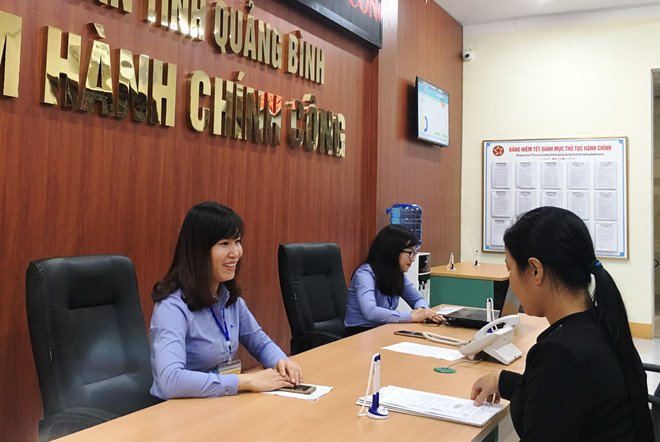
Strictly comply with state regulations on civil servants going abroad.
Here is a summary of the regulations for officials and civil servants going abroad. These regulations apply to teachers in public schools as well. Please be fully aware of these regulations to ensure your trip abroad is compliant and adheres to all State regulations.