

 English
  Tiếng Việt
 - 1. What is the concept of VPS?
- 2. What is VPS used for?
- 2.1. 1. VPS is used as a game server
- 2.2. 2. VPS is used to host e-commerce websites or apps.
- 2.3. 3. VPS is used for enterprise email systems
- 2.4. 4. Run live broadcasting programs
- 2.5. 5. Create virtual environments for programming, virus analysis, research
- 2.6. 6. Store data: documents, images, videos
- 3. Advantages and disadvantages of VPS
The concepts of computers or information technology are still quite new terms for many people. Learning about technology terms is something many people want to learn about. Today we will explain one of those technical terms to you. Let's learn about What is VPS?
Learn what VPS is?
What is the concept of VPS?
VPS is a type of server named by technology experts. This is a very familiar machine for web developers, web designers, game developers, programmers...
However, choosing and using a quality VPS or renting a server is not as simple as you think. For those who do not understand information technology well, this is even more difficult.
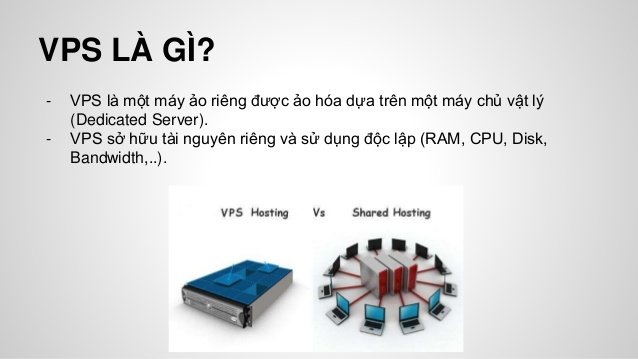
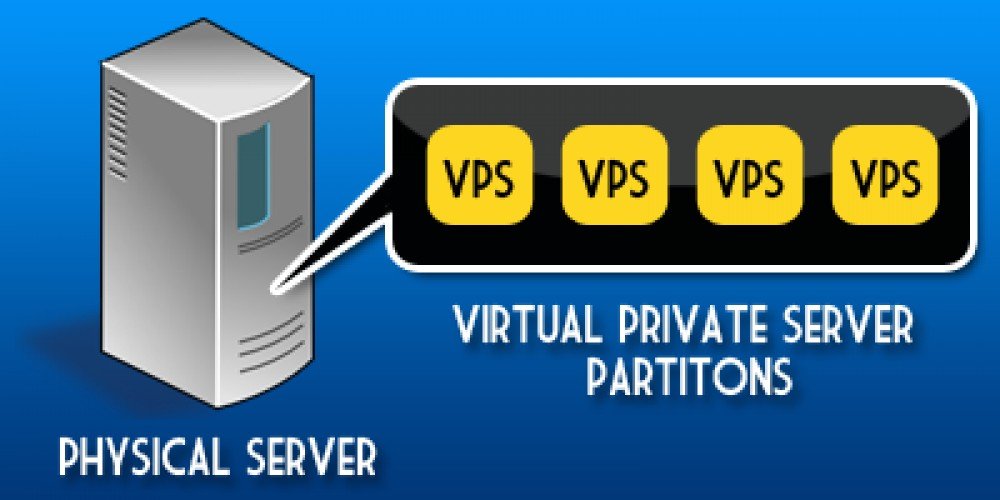
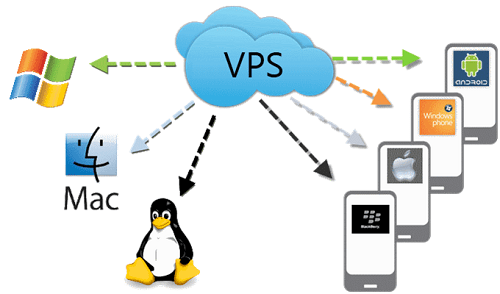
VPS stands for Virtual Server which is a virtual machine created by dividing different servers with similar functionality to a dedicated server, operating by sharing resources from the initial physical machine.
VPS is a completely separate system, with its own CPU, its own RAM, its own HDD capacity, its own IP address, and its own operating system. Users have root access and can reset the system whenever the administrator wants.
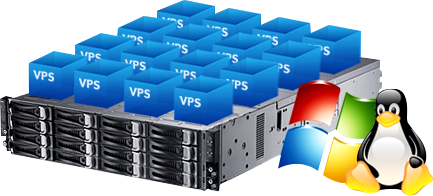
What is VPS used for?
VPS is widely used in businesses or small business models. It is set up with the most advanced technologies to store massive servers. VPS has the following uses:
1. VPS is used as a game server
VPS is used quite a lot in managing game software. For popular games, there are billions of daily accesses. This means there must be a powerful server to handle the load very well.
Game businesses rent VPS for these businesses to invest in maintaining and developing their games. For large enterprises that own many games, they often have a dedicated VPS to serve their business needs.

2. VPS is used to host e-commerce websites or apps.
A website cannot operate without VPS. The VPS system will store massive servers to ensure stable access for everyone. With today's e-commerce sites, having a good VPS is very important.
The number of visitors is very large, so having a powerful server is essential. And to ensure that small businesses with limited resources can rent servers from server rental companies. Small businesses do not need to invest in buying a VPS, the cost of investing in servers, and server management staff, but still have a powerful machine system to use.

3. VPS is used for enterprise email systems
Nowadays, businesses also really need a source to manage sending and receiving internal emails. VPS is also a perfect investment form, both reliable and economical, while ensuring information is always coherent and smooth during transmission.
4. Run live broadcasting programs
Live broadcasting programs nowadays also need a good storage source. Although not too much, stored data types always need to be constantly entered and retrieved. Broadcasters can rent a powerful APS at a low cost to serve their needs well.
5. Create virtual environments for programming, virus analysis, research
In companies specializing in investing in scientific products such as (software, applications, websites...), they also need their own storage space for their applications and trial products. Building physical servers is quite expensive. Therefore, choosing to invest in storage through VPS systems is the most economical and maximally secure.
6. Store data: documents, images, videos
Companies specializing in image and video processing are also among the subjects that need to use VPS the most. They use VPS with high storage capacity to invest reasonably without the need for external storage devices, which are difficult to control and prone to damage.
Advantages and disadvantages of VPS
Every system created has its own advantages and disadvantages for each business, large or small... To understand thoroughly, please see the advantages and disadvantages we have analyzed as follows:
Advantages:
+ VPS allows easy customization of resources, as long as it is within the limits allowed by the physical server.
+ From 1 physical server, multiple VPS can be created. This saves investment in hardware, server operating electricity costs, installation space... and many other costs. Some small businesses can rent VPS, which greatly reduces costs when investment is limited.
+ As many VPS can be concentrated on 1 server system. Operation monitoring becomes easier.
+ Just rent a server, and the provider will manage the server for you, reducing the number of staff for server management.
Disadvantages:
However, VPS systems also have the following disadvantages:
+ The operation of the VPS is affected by the operation and stability of the physical server that creates the VPS. If the physical server of the VPS encounters problems, it leads to problems in the operation of the VPS as well.
+ Sharing the physical server makes your VPS dependent.
+ It takes time and cost to upgrade resources and cannot be expanded much.
+ The operating method and productivity of the VPS do not achieve the desired results.

The information we have just provided above has likely helped answer what a VPS is, its uses, and its characteristics. Choose a suitable method for your business to have the best server for your needs.