

 English
  Tiếng Việt
 - 1. Korean tourist psychology
- 1.1. Greeting etiquette
- 1.2. Behavioral etiquette
- 1.3. Video on Korean communication culture
- 1.4. Gift-giving culture
- 1.5. Folk painting culture
- 1.6. Clothing culture
- 1.7. Eating Culture
- 1.8. Korean Food Videos
- 1.9. Etiquette & Customs
- 1.10. Local Culture & Language
- 2. Conclusion
The psychology of tourists is always a concern for the tourism industry. Tourist psychology plays a decisive role in guiding the stories of tour guides. Many of you have asked the question, the psychology of Korean touristswhat is it like? If you are wondering about the answer, follow our article immediately.
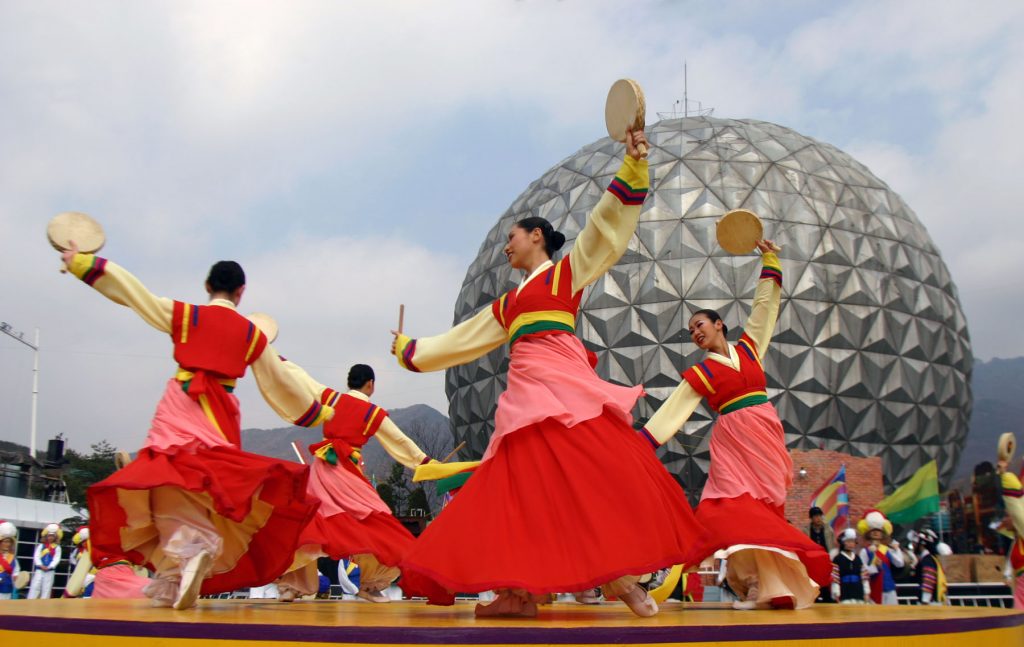
What is the psychology of Korean tourists?
Korean tourist psychology
Understanding the psychology of tourists is a very important skill for a tour guide. Grasping the psychology of tourists will help you be more confident in handling all situations easily. Here are some characteristics of Korean culture and behavior. Understanding these characteristics will make it easy for you to understand the psychology of Koreans.
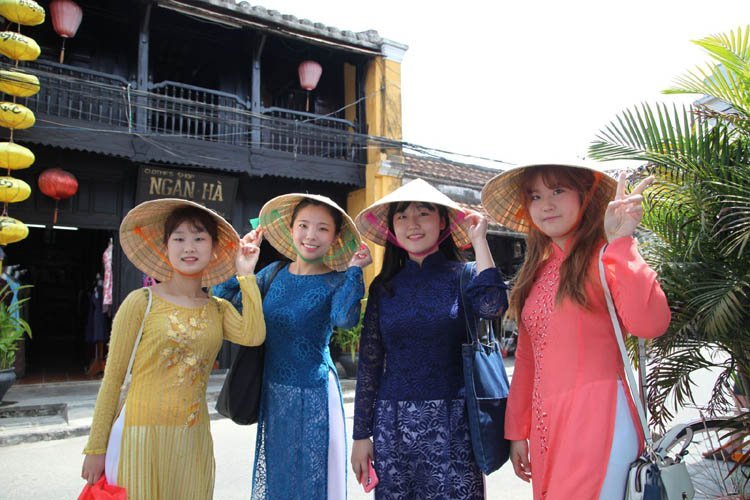
Always smile when greeting
>>> Want to communicate comfortably in Korea without a translator, check out : translation machine
Greeting etiquette
For everyone, the first sentence before a conversation is hello, and Koreans are no exception. Koreans love to be greeted with "An-nhon-ha-sae-yo". When greeting, you need to show a cheerful attitude, smile brightly, and bow slightly to show respect. For elders or those of higher status, bow slightly, with a cheerful face towards the greeter. For Koreans, you should not greet by calling their name, but simply say "hello", which will make Koreans happier.
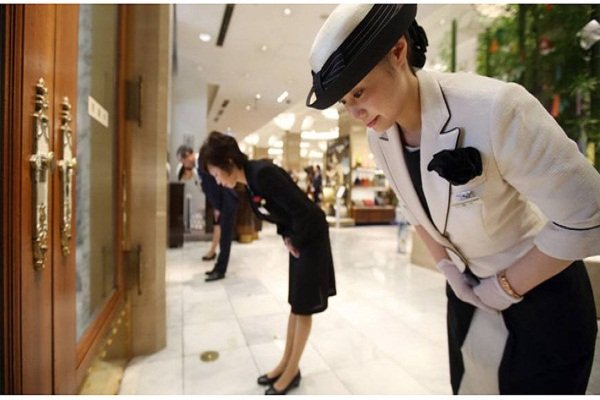
Slightly bow with a bright smile when greeting
Behavioral etiquette
Behavioral etiquette is always a decisive factor in communication between people. It is the same for Koreans.
When communicating with Koreans for the first time, start with greetings and ask about their health. This is even more important for elders; asking about their health before getting into the main topic is an advantage when talking.
Koreans often use the word yes when listening to others speak, which does not mean they agree with what you are saying. The word "yes" always shows respect for what you say to the other person. When talking, avoid touching their feet because Koreans consider feet to be the cleanest part of the body.
Koreans do not like to talk about aesthetic issues, as it is a sensitive topic. When pouring alcohol, do not touch the bottle to the glass, as this is considered pouring offerings.
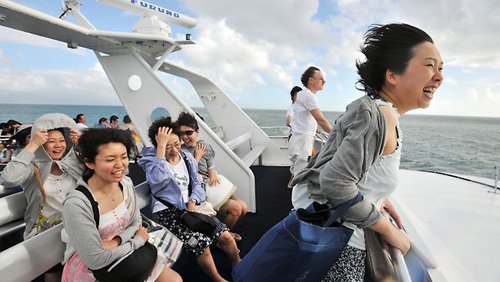
Behave openly with your counterpart
>>> Do you want to make free calls and use 4G freely in Korea? Please check: korea sim
Video on Korean communication culture
Gift-giving culture
Koreans believe that the two unlucky numbers are 4 and. The number 4 sounds like the word death, so it is considered unlucky. You should not give gifts to Koreans that involve the number 4, or a quantity of 4. As for lucky numbers for Koreans, it is the number 7. Please give gifts related to the number 7.
Koreans like to wrap gifts in red or yellow paper. You should avoid colors such as: black, white, and green. You should use both hands when giving or receiving gifts, whether to someone older or younger than you. You should not open a gift in front of the giver when you receive it from a Korean; you should ask for their opinion first.
Có thể bạn quan tâm

Always give gifts to Koreans
Folk painting culture
Is the psychology of Korean tourists important? Therefore, for Korean tourists to understand Korean life and culture, tour guides must study Korean culture to convey it to tourists.
For Koreans, folk paintings were used by Koreans in the past to decorate their homes or to express their wishes for a long and happy life. Unlike sophisticated, classical artworks that often depict landscapes, birds, and flowers, Korean folk paintings sketch simple, humorous, and authentic ideas about common life and the world.
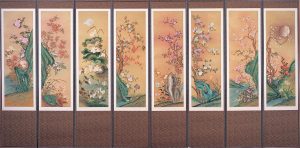
Folk painting culture
Folk paintings are often creations of artists from the lower class in old society. Most of their paintings are displayed by all social classes, from royalty, temples to farmers. Works of folk painting are often bold, clearly expressing the artists' individual style and using strong tones.
Clothing culture
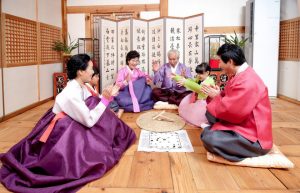
Clothing culture
The traditional Hanbok is the attire often worn on traditional Tet holidays and Chuseok - the Harvest Festival (Mid-Autumn Festival), and family holidays like Hwangap - the 60th birthday celebration.
Eating Culture
A traditional Korean meal cannot be without the staple dish, Gimchi. This is one of the dishes made from a variety of pickled vegetables, such as:cabbage, radish, green onion, and cucumber.
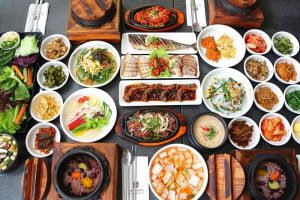
Eating Culture
Besides, seaweed soup, seaweed rice rolls, cold noodles, black noodles, bibimbap, ginseng chicken soup, spicy rice cakes... are also very characteristic dishes of Korean people. If you have the opportunity to visit and experience this country, don't forget to try at least once these extremely special and attractive dishes!
Korean Food Videos
https://www.youtube.com/watch?v=Nm5W-cV_XIQ&t=92sEtiquette & Customs
The mentality of tourists to Korea should be to clearly understand Korean etiquette and customs. Korean people are very polite. Because Korea is a country of Confucianism with strict rituals. So if you learn and observe some local customs and cultures, you will be highly appreciated.
Local Culture & Language
The face is an important concept in Korea and is known locally as gibun. The goal here is to avoid confusion for yourself and others. Koreans go to great lengths to avoid or defuse embarrassing situations. If an uncomfortable situation arises, the Korean acknowledgment or action will be an awkward, uncomfortable smile.
There are some behavioral elements in Korea that you might consider disrespectful. But remember that it is part of Korean culture. For example, we don't always thank someone for holding the door open for us.
Conclusion
We hope the information we have provided above has answered your question about the mentality of tourists to Korea. Understanding these cultures thoroughly will help you better understand the culture and people of that country.